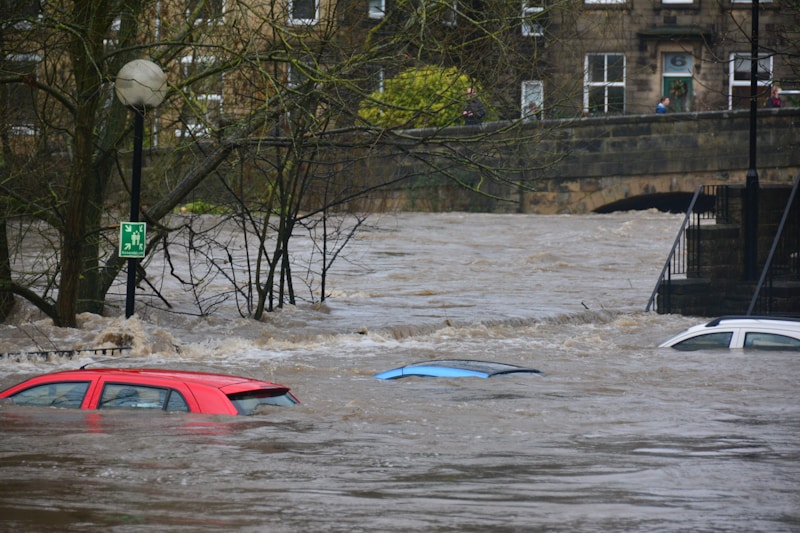
The numbers are staggering. Over 1,400 dead. More than 1,000 missing. 1.5 million displaced. And rescue teams are still racing against time to reach isolated villages buried under mud and debris.
What's unfolding across Southeast and South Asia right now is a humanitarian catastrophe — and a preview of what climate scientists have been warning about for years.
The Toll By Country
Indonesia has been hit hardest, with at least 753 deaths confirmed and over 650 people still missing. Flash floods and landslides swept away entire villages on Sumatra island. Roads are gone. Bridges collapsed. Whole communities remain unreachable.
Sri Lanka has confirmed 465 deaths with 336 missing. President Anura Kumara Dissanayake called it the worst disaster in the country's recent history. The government has declared a state of emergency and is relying heavily on international aid — the country is still recovering from its economic crisis and has limited resources.
Thailand reports 185 dead, with 3.9 million people affected across the southern provinces. Malaysia has confirmed 3 deaths.
What Caused This?
Two cyclones and a typhoon combined with heavy monsoon rains to create a perfect storm of destruction. Cyclone Ditwah brought Sri Lanka's worst floods in a decade. In Indonesia, days of relentless rain triggered landslides that carried away millions of cubic meters of felled timber — sparking concerns that illegal logging made the disaster worse.
"This is not just a natural disaster, it's a manmade crisis," said Rianda Purba from the Indonesian Environmental Forum. "Deforestation and unchecked development have stripped the land of its resilience. Without urgent restoration, these floods will become the new normal."
The Human Stories
In Sri Lanka, Selladurai Yogaraj lost his mother, wife, and two children. "I can't even think what life is going to be like," he said.
In Indonesia, 38-year-old farmer Zahari Sutra has been searching for his wife and two daughters, ages 4 and 2, since floodwaters swallowed his home. "Other victims have been found... why not my family?"
What Happens Now
Indonesian President Prabowo Subianto visited disaster zones and pledged support, but hasn't declared a national emergency or requested international aid. Sri Lanka, with far fewer resources, is actively seeking help from other countries.
India, Pakistan, and the UAE have already sent assistance. But as climate change makes extreme weather more frequent and more severe, the question isn't whether this will happen again. It's when.